
Close

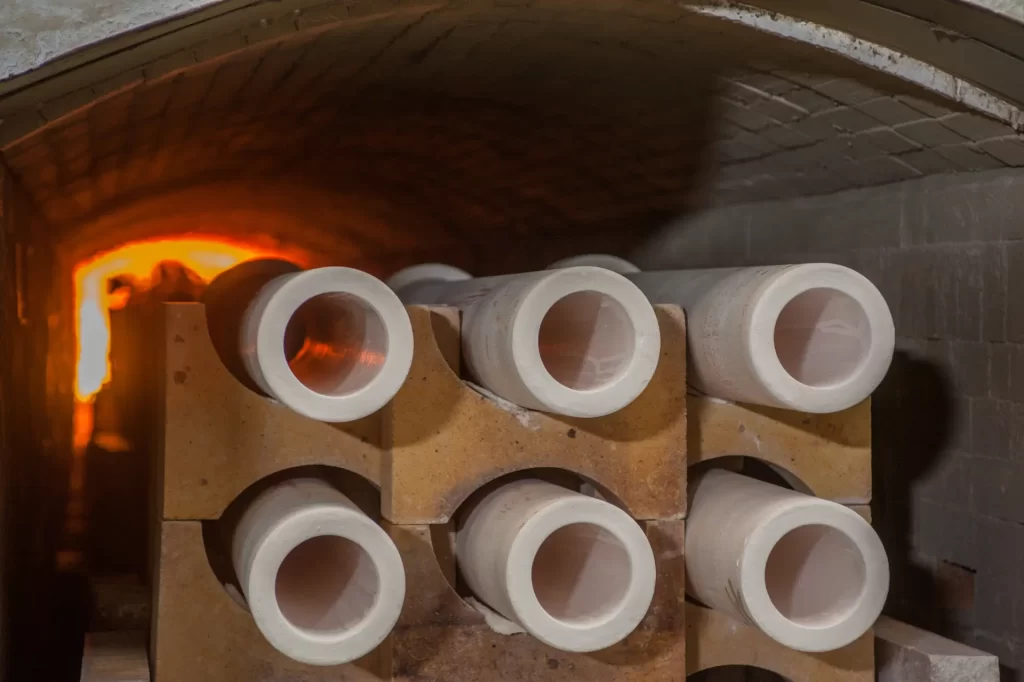

Unlock next-generation performance with advanced construction chemical additives—a family of high-efficiency admixtures and modifiers designed for modern concrete, mortars, grouts, waterproofing systems, industrial floors and repair compounds. Engineered for demanding job-site and precast conditions, these additives deliver superior workability, higher early and final strength, reduced permeability, improved finish and long-term durability across all types of construction projects.
Trusted by RMC plants, precast manufacturers, infrastructure contractors, builders and construction chemical formulators, Geocon offers a wide range of construction additives that consistently outperform on quality. Formulated with carefully selected chemistries, our additives are designed for compatibility with OPC, PPC, slag and blended cements, delivering reliable results across variable aggregates, climates and site conditions. Geocon also offers a wide range of silanes, siloxanes, fluoroacrylates and fluorourethanes for the protection of walls and natural stone surfaces such as marble and granite.
Geocon offers a wide range of construction chemical additives and performance materials engineered for concrete, mortars, plasters, tile systems, waterproofing, surface protection, and specialty coatings.
GPZS-10N is a Silver Zeolite antimicrobial powder engineered for durable hygiene performance in ceramic bodies, slips, engobes, and glazes.
Silver Zeolite Anti-Microbial Additive GPZ-10D (5% Silver Active)
GPZ-10D is a Silver Zeolite antimicrobial powder engineered for long-lasting hygiene protection in ceramic bodies, slips, engobes, and glazes.
Silver Zirconium Phosphate (Ag–ZrP) is a high-performance inorganic antimicrobial pigment/additive designed to provide durable, long-term hygiene protection in ceramic bodies, slips, engobes, and glazes.
ECC 10000 Series Nano Coating is a fluorosilane-modified, low-surface-energy protective treatment engineered to upgrade ceramic and sanitaryware surfaces with easy-clean, stain resistance, and improved hygiene.
PZ 1000 is a polysilazane-based “diamond-like” nano coating engineered to deliver an ultra-hard, stain-resistant, easy-clean protective finish for ceramics, sanitaryware, and other smooth mineral surfaces.
Chemeguard Silane Easy Clean Coating is a silane-based nano coating engineered to provide easy-clean, water repellence, and anti-soil performance on glass surfaces.
MR POZZO High Reactivity Metakaolin is an ultra-fine, highly reactive pozzolanic mineral additive produced by controlled calcination of high-purity kaolin.
GP-200 Grey Ceramic Microspheres are high-strength, fine particle alumino-silicate ceramic microspheres engineered to enhance performance in modern cementitious and construction formulations.
GP-400 Grey Ceramic Microspheres are medium-fine, high-strength alumino-silicate ceramic microspheres developed for demanding construction and cementitious applications where a balance of mechanical reinforcement, thickness build, and dimensional stability is required.
GP-600 Grey Ceramic Microspheres are coarse-grade, high-strength alumino-silicate ceramic microspheres engineered for construction formulations where thickness build, volume filling, density control, and dimensional stability are critical.
GP-800 Grey Ceramic Microspheres are extra-coarse, ultra-high-strength alumino-silicate ceramic microspheres engineered for heavy-duty construction applications operating under high mechanical loads, thick sections, and aggressive service conditions.
Milled Glass Fibers are precision-cut and milled microfibers produced from continuous glass filaments and engineered specifically to reinforce cementitious and polymer-modified construction systems.
AXELRATE™ 440 is a high-purity Calcium Formate accelerator developed for modern dry mix mortar manufacturers and cement-based construction chemical formulations that require faster setting and stronger early performance.
3M™ Hollow Glass Microspheres – Grade S28HS are high-strength, thick-walled hollow glass microspheres engineered for applications where mechanical durability and long-term performance are critical.
3M™ iM16K Glass Bubbles are high-strength, hollow glass microspheres manufactured from soda-lime borosilicate glass, engineered to deliver significant density reduction while maintaining mechanical integrity.
Sodium Gluconate is a bio-based organic chelating agent and a highly effective cement set retarder extensively used in construction chemicals, concrete admixtures, and dry-mix mortar formulations.
CHEMTRETE 450 is a solvent-borne stone sealer based on advanced fluoroacrylate technology, engineered to deliver long-lasting water repellency, oil repellency, and stain resistance on porous mineral substrates.
AQUATRETE 220 is a water-based stain resistant additive designed for tile grout applications to improve stain cleanability and surface resistance to common household/industrial soils.
SURFLON S-386 is a high-performance non-ionic fluorosurfactant wetting agent engineered to deliver extremely low surface tension, enabling rapid wetting, penetration, and leveling on difficult, low-porosity mineral substrates such as granite and dense natural stone.
FC-106 is a fluorinated polymeric surface control additive engineered to deliver exceptional wetting, levelling, and gloss enhancement in epoxy coating systems applied on granite, marble, and natural stone surfaces.
Teraseal 365 is a highly reactive, penetrating silane-based water repellent sealer designed for long-term protection of porous mineral substrates such as concrete, masonry, cementitious surfaces, and natural stone.
Foamstab 2722 is a high-efficiency defoamer and de-aeration additive specially developed for solvent-free and high-build epoxy, polyurethane, and unsaturated polyester systems.
FOAMSTAB 5550 is a high-performance, silicone-free polymer-based defoamer and air-release additive designed to eliminate entrapped air, micro-bubbles, pinholes and internal voids in coating and resin systems.
Foamstab FC 550 is a high-efficiency 5% active fluorosilicone-based defoamer engineered for premium solvent-borne coating systems, industrial paints, and protective finishes.
3M™ Hollow Glass Microspheres – Grade K-15 are low-density, thin-walled soda-lime borosilicate glass microspheres specifically suited for lightweight, thermally efficient roofing systems.
3M™ Hollow Glass Microspheres – Grade iM16K are ultra-high crush strength hollow glass microspheres engineered for applications demanding maximum strength retention with significant weight reduction.
3M™ Hollow Glass Microspheres – Grade XLD 3000 are a specialty ultra-low density and finer version of Glass Microspheres designed to deliver maximum weight reduction and thermal insulation at very high volume loading.
FLOWEASE 1900 is a high-performance, VOC-free wetting and dispersing additive developed for aqueous coating systems, printing inks, and adhesive formulations.
FLOWEASE W-3499 is a highly efficient silicone-based wetting and levelling additive developed for aqueous coating systems, adhesives, and maintenance formulations.
FLUORODYNE™ FC 330 is a high-performance anionic fluorosurfactant (30% active) developed for water-borne architectural and roof coating systems where superior surface control and long-term cleanliness are required.
FLUORODYNE™ FC 330 is a high-performance anionic fluorosurfactant (30% active) developed for water-borne architectural and roof coating systems where superior surface control and long-term cleanliness are required.
Milled Glass Fibers are precision-engineered, short-length inorganic fibers used as micro-reinforcement additives in roof coatings and waterproofing membranes.
Delivers smoother mixing, better spread, and easier finishing—helping contractors achieve consistent results across batches.
Refines hydration and particle packing to improve compressive strength, surface hardness, and service life.
Cuts water demand while keeping workability—creating dense concrete/mortar with reduced water ingress and leakage risk.
Accelerators speed early strength for fast track jobs, while retarders extend working time for hot weather and long transport.
Improves cohesion and reduces segregation/bleeding—supporting steady pumping for high-rise, long pipelines, and SCC.
Maintains flow and consistency longer—reducing site adjustments and ensuring uniform placement and finishing.
Helps reduce plastic/drying shrinkage and microcracks—improving dimensional stability and surface quality.
Enhances grip on substrates—critical for tile adhesives, repair mortars, screeds, and overlays.
Integral waterproofers and pore-blocking additives reduce capillary absorption—boosting protection in basements, terraces, and wet areas.
Corrosion inhibitors help protect rebar by slowing chloride-driven corrosion—ideal for coastal, industrial, and infrastructure projects.
Lightweight and insulating additives reduce heat transfer—helping improve indoor comfort and energy efficiency in roofs/walls.
Improves resistance to aggressive waters and chemicals—supporting durability in sewage systems, marine exposure, and industrial flooring.
Water reducers/superplasticizers for strength and slump control; retarders for long haul; accelerators for fast stripping.
Pump aids and viscosity modifiers for stable flow, reduced segregation, and smooth placement in long pipelines.
Bonding agents, polymers, shrinkage control additives, and corrosion inhibitors for durable patch repairs and jacketing.
Polymers and rheology modifiers for better adhesion, open time, slip resistance, and smooth application.
Workability improvers and water retention agents to enhance spread, reduce cracks, and improve finish quality.
Hardening/anti-dust additives, flow modifiers, and shrinkage control for flatness, abrasion resistance, and durability.
Accelerators and high-range water reducers to achieve early strength, faster demoulding, and consistent quality.
Corrosion inhibitors and permeability reducers to improve chloride resistance for jetties, bridges, and coastal RCC.
Plasticizers and densifiers for strength, reduced water absorption, better compaction, and improved block finish.
Lightweight fillers/insulating additives to reduce heat gain and improve energy efficiency on rooftops.
Set accelerators and rheology control additives for rapid build-up, reduced rebound, and improved early strength.
We start from your job-site problem—pumpability, crack control, seepage, setting time, heat resistance—then match the right chemistry for that condition.
We select polymer technologies (Acrylic / SBR / EVA / VAE / PCE-compatible systems) based on where the additive will be used—tile adhesive, repair mortar, plaster, waterproofing, or concrete.
Our recommendations consider cement type, SCMs (fly ash, GGBS), sand grading, and water TDS/hardness—so performance remains stable across batches.
We tune the chemistry to achieve flow without segregation—important for pumped concrete, self-leveling, grouts, and high-build repair systems.
We select chemistries that perform in heat, humidity, and long transport times—supporting slump retention, controlled setting, and reduced plastic cracking.
We support quick trials (dosage windows, mixing sequence, and validation checks) to reduce on-site failures and speed up approvals.
We ensure the package works together—plasticizer + air control + set control + waterproofing—so you don’t face unexpected issues like foaming, delayed set, or strength loss.
We prioritize low permeability, corrosion resistance, sulfate/chloride resistance, and long-term performance—not just early workability.
We provide practical guidelines: typical dosage, mixing sequence, compatibility notes, storage/handling, and application do’s & don’ts—easy for site teams to follow.
From admixtures to waterproofing, repair, and bonding—Geocon helps design the complete chemical “system,” improving performance and reducing total cost-in-use.
| Parameter | GFLAM™ (APP+MP+ZB Intumescent / Halogen-Free) | ATH (Aluminium Trihydrate) | MDH (Magnesium Hydroxide) | Brominated FR (Halogenated) |
|---|---|---|---|---|
| Chemistry Type | Halogen-free intumescent + synergistic char former | Mineral FR (endothermic, releases water) | Mineral FR (endothermic, releases water) | Halogenated radical-quenching flame inhibition |
| Primary Mechanism | Char / intumescent barrier blocks heat & oxygen | Cooling + dilution via water release | Cooling + dilution via water release | Gas-phase flame inhibition |
| Smoke & Toxicity | Low smoke / lower toxicity | Low smoke | Low smoke | Higher smoke / toxic & corrosive gases |
| Typical Loading (Dosage) | Moderate (lower than ATH/MDH for same rating) | High (very high filler loading) | High (sometimes lower than ATH) | Low to moderate |
| Effect on Mechanical Properties | Better retention vs high mineral loading | Reduced strength & flexibility | Property reduction due to loading | Good at low loading, system-dependent |
| Impact on Density / Weight | Moderate impact | Significant weight increase | Significant weight increase | Low impact |
| Processing / Flow | Good – application-tuned blends | Higher viscosity, reduced flow | Better than ATH, still affects flow | Generally good, careful control needed |
| Thermal Stability (Processing) | Good (grade-dependent) | Lower decomposition onset | Higher than ATH | Generally good, resin-dependent |
| Dripping / Afterglow Control | Good (char + ZB synergy) | Moderate | Moderate | Dripping possible unless synergized |
| Electrical / Cable Suitability | Excellent for LSZH / HFFR | LSZH, but high loading required | LSZH, better high-temp stability | Not preferred for LSZH |
| Corrosion Risk | Low | Low | Low | Potentially high |
| Regulatory / Sustainability Trend | Strongly preferred | Preferred, loading trade-off | Preferred, loading trade-off | Under increasing pressure |
| Best Fit Applications | Coatings, plastics, cables, construction, foams, sealants | Wire & cable, polyolefins | High-temp cables & polyolefins | High FR at low loading (legacy systems) |