
Close
Fast knockdown + strong deaeration with improved compatibility in water-based systems
FOAMSTAB 2790 is a high-performance polyether-modified silicone defoamer supplied with 35–45% active content, engineered for aqueous and water-based electronic applications where foam and entrained air directly impact coating integrity, cleaning efficiency, and process reliability. The polyether modification improves emulsification and compatibility in water-based systems, enabling efficient foam control with reduced risk of typical silicone-related defects when correctly dosed.
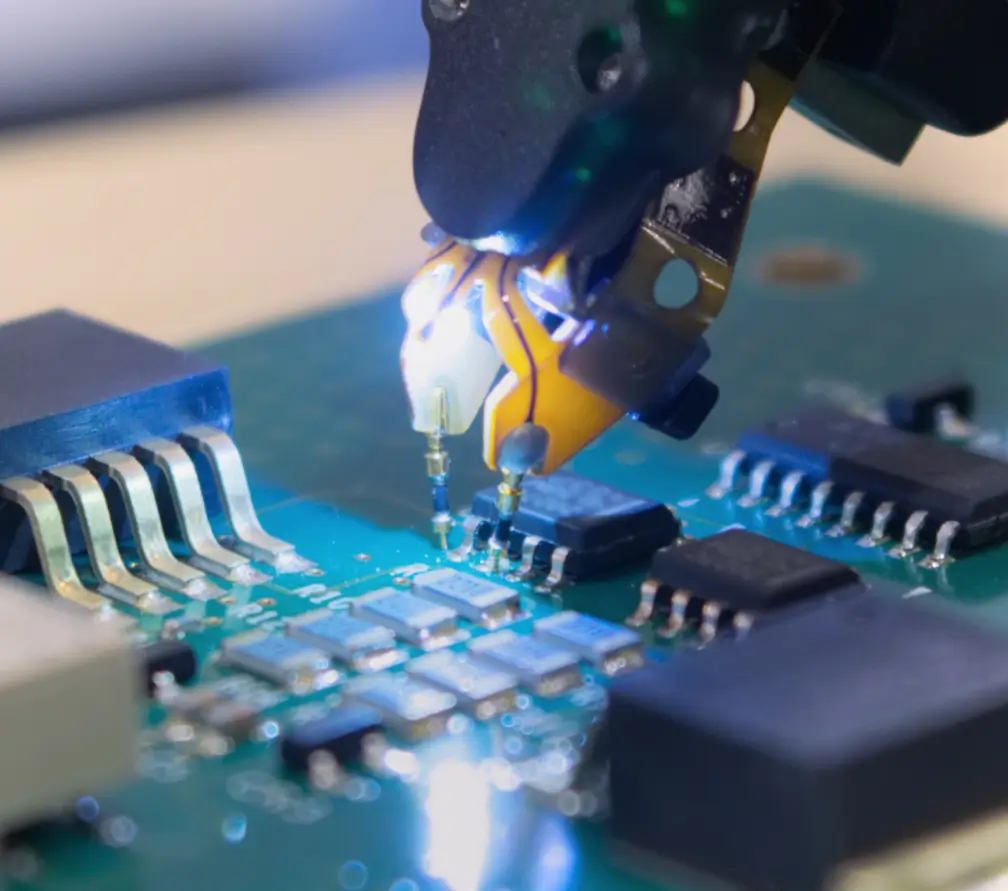
In electronics manufacturing, FOAMSTAB 2790 helps achieve uniform, defect-free films and stable processing in water-based formulations such as aqueous conformal coatings, waterborne protective coatings, electronic cleaners, aqueous flux/processing liquids, and water-based sealants used on PCBs, connectors, sensors, housings, and fine-pitch assemblies. It rapidly collapses surface foam and releases entrained microbubbles formed during high-shear mixing, recirculation, ultrasonic cleaning, spray application, or dispensing. By minimizing microfoam, pinholes, craters, fisheyes, and air-voids, FOAMSTAB 2790 supports better film continuity, improved surface appearance, and higher reliability of electronic protection layers.
FOAMSTAB 2790 is designed to deliver an effective balance of fast foam knockdown and long-lasting deaeration, while maintaining good stability in aqueous systems. Used at optimized dosages, it improves process control and reduces foam-related downtime, overflow, and rework—particularly important in electronics where trapped air and coating defects can lead to leakage paths, corrosion initiation, or premature failure.
FOAMSTAB 2790; polyether-modified silicone defoamer; silicone antifoam; deaeration additive; foam control agent
Polyether-modified silicone defoamer (water-compatible silicone defoaming concentrate)
Liquid / emulsion (as supplied)
35–45% (by weight)
Not regulated as Dangerous Goods
Controls foam during mixing and application, reducing pinholes, craters, microbubbles, and improving coating uniformity on PCB assemblies.
Reduces foam in high-agitation cleaning systems, improving cleaning efficiency and minimizing overflow or foam-related process interruptions.
Improves air release and foam suppression in circulating lines and tanks where turbulence and surfactants create persistent foam.
Supports smoother films and consistent application by minimizing entrained air, especially in thin-film and precision deposition processes.
Helps control microfoam generated during handling and dispensing in water-based processing liquids (final suitability depends on system chemistry and residue requirements).
| Property | Typical Value |
|---|---|
| Composition | Soda-lime borosilicate glass |
| Particle morphology | Hollow spheres |
| True density | ~0.15 g/cc |
| Bulk density | ~0.09 g/cc |
| Crush strength (90% survival) | ~250 psi |
| Average particle size | ~50 microns |
| Thermal conductivity | Very low (air-filled structure) |
| Combustibility | Non-combustible |
| Color | White |
Quickly collapses surface foam and releases entrained air formed during mixing, pumping, spraying, and ultrasonic operations.
Helps minimize pinholes, craters, fisheyes, and microvoids, improving surface quality and protective continuity.
Polyether modification enhances water compatibility and dispersion, supporting effective performance in aqueous formulations.
Effective under high shear, recirculation, and turbulence typical in electronics cleaning and coating operations.
35–45% active concentrate enables performance at low dosage with controlled formulation impact and cost efficiency.
Exact loading depends on coating thickness, thermal target, and mechanical requirements.
2 %– 5% by volume of total formulation
Higher loadings enable thicker, more insulating films without sagging.
3%– 5% replacement of conventional fillers/aggregates (by volume)
Optimized for weight reduction and thermal performance.
Treat as an industrial specialty chemical. Avoid inhalation of mist and avoid contact with skin and eyes. Use with adequate ventilation.
Safety goggles/face shield, chemical-resistant gloves (nitrile), and protective clothing. Use respiratory protection where spraying generates aerosols.
Skin contact: Wash with soap and water; remove contaminated clothing.
Eye contact: Rinse with water for several minutes; seek medical attention if irritation persists.
Inhalation: Move to fresh air; seek medical advice if symptoms occur.
Ingestion: Rinse mouth; do not induce vomiting; seek medical attention.
Fire & decomposition – Use foam, dry chemical or CO₂ extinguishers; overheating may release irritating fumes; use SCBA in a fire situation.
Environmental precautions – Prevent release to drains and water bodies. Contain spills with inert absorbent and dispose per local regulations and the official SDS.